

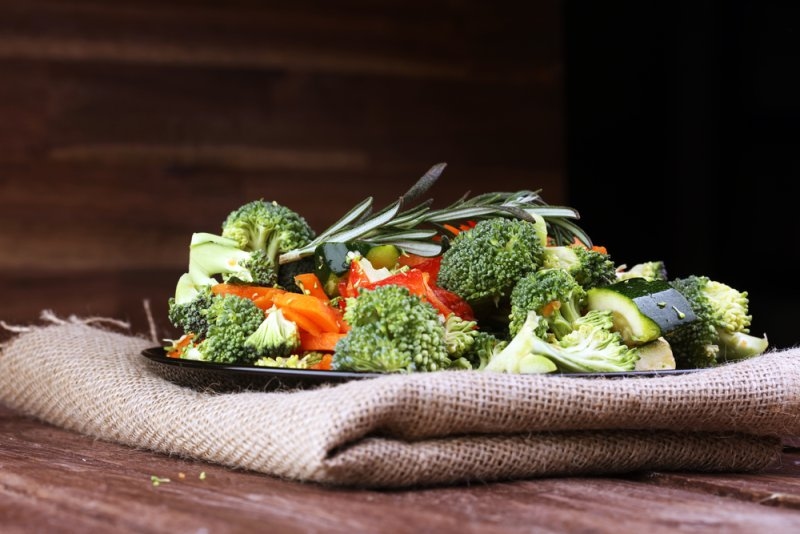
A simple recipe doesn't always require some fancy ingredients. It's a better strategy to purchase what looks good now, then create a recipe around it. Vegetables, fruits, grains, herbs, and proteins are combined in seasonal recipes to make it fun to prepare but simple to do. This blog will showcase each season's menu, seasonal recipes, meal ideas, seasonal produce ideas, and simple seasonal recipes for your table.
This has the best-tasting benefit. Pickings, when aimed at the time of growth, may be more attractive in texture and flavour, but again subject to area and weather conditions! The tomato in summer will require less assistance than the somewhat exhausted tomato of winter. That alters how you prepare food.
Seasonal cooking is less about strict rules and more about paying attention. Farmers' markets, local shops, and even ordinary grocery aisles can show what is currently abundant. Seasonal recipes become easier when you stop forcing ingredients into dishes they do not suit.
Start with one strong ingredient. Corn can become a salad, soup, filling, or side. Pumpkins can move from roasted wedges to pasta sauce. Fresh berries can work in breakfast bowls, desserts, or a sharp fruit salsa.
Seasonal cooking also reduces decision fatigue. Pick a vegetable, choose a cooking method, add a protein or grain, then finish with herbs, citrus, yoghurt, or a simple dressing.
Recipes by season are not just lists of ingredients. Summer usually favours quick cooking, chilled dishes, grilling, and raw preparations. Winter suits roasting, braising, soups, and meals that hold heat well.
Here is a practical comparison:
| Season | Useful produce | Cooking approach | Example |
|---|---|---|---|
| Spring | Peas, asparagus, strawberries | Light cooking | Pea and herb rice bowl |
| Summer | Tomatoes, corn, berries | Grilling or fresh | Tomato corn salad |
| Fall | Pumpkin, apples, squash | Roasting | Roasted squash bowl |
| Winter | Root vegetables, citrus, greens | Slow cooking | Root vegetable soup |
Recipes by season work better when the method matches the ingredient instead of fighting it.
Don't Miss: Crispy Parmesan Chicken Recipe Made Easy for Family Meals
Seasonal meal ideas should survive busy schedules. A recipe that needs fourteen ingredients and three pans may be impressive, but it is not useful every Tuesday. The strongest seasonal recipes often rely on one prepared base, one fresh ingredient, and a simple finishing element.
Try changing the format rather than constantly buying different ingredients. Roasted vegetables can become a grain bowl one day, taco filling the next, then a warm salad with beans.
Seasonal meal ideas can also be built around leftovers. Extra roasted pumpkin becomes soup. Cooked corn becomes salsa. Wilted greens can be folded into eggs, pasta, rice, or sandwiches.
Seasonal produce recipes work when the ingredient remains recognisable. Heavy sauces are not always needed. A little oil, salt, pepper, lemon, garlic, chilli, or fresh herbs can be enough.
For example, seasonal produce recipes using ripe tomatoes need very little cooking. Seasonal produce recipes using root vegetables usually benefit from roasting because heat develops deeper flavour and better texture.
The point of seasonal produce recipes is flexibility. Availability changes by location, so the same recipe can use a close substitute without losing its basic character. That makes seasonal recipes easier to repeat.
Recipes using seasonal produce can be adjusted around what is actually available. Replace asparagus with green beans, peaches with plums, or pumpkins with another winter squash.
Good recipes using seasonal produce usually have a flexible structure. Grain + vegetable + protein + dressing is enough for a complete meal. Recipes using seasonal produce do not need to be complicated to feel fresh.
Easy recipes using seasonal ingredients are especially useful when produce is already flavourful. Roast it, sauté it, grill it, or leave it raw when appropriate. The goal is not to bury freshness under seasoning.
Some easy recipes using seasonal ingredients include:
These easy recipes using seasonal ingredients can also be modified according to leftovers, dietary needs, or whatever is sitting in the refrigerator.
Suggested Reading: Healthy and Authentic Burrito Recipe You Need to Try at Home
Easy seasonal recipes for every season should have one thing in common: low friction. Preparation stays reasonable, ingredients overlap, leftovers have another use, and the finished dish does not depend on perfect presentation.
The best seasonal recipes for spring, summer, fall, and winter are not necessarily elaborate dishes. They are recipes that suit the produce and weather while remaining practical enough to make repeatedly.
In spring, try peas with herbs and soft eggs. Summer is better suited to tomato salads, grilled corn, chilled pasta, and fresh fruit combinations. Fall brings roasted squash, apples, mushrooms, and hearty grains. Winter works well with citrus salads, root vegetables, soups, and baked dishes.
The best seasonal recipes for spring, summer, fall, and winter also leave room for substitutions. That matters because seasonal availability is never identical everywhere.
Use this formula when creating your own easy seasonal recipes:
Fresh produce + satisfying base + protein + bright finish = complete meal.
Rice, quinoa, potatoes, pasta, beans, lentils, eggs, chicken, tofu, yoghurt, nuts, seeds, herbs, and citrus can rotate through the formula. This keeps seasonal recipes varied without turning every meal into a new project.
Also Read: Peruvian Food Recipes Blending Culture and Flavour
You can use seasonal recipes to ease the pressure of cooking. The ingredients take over on this dish, which can be helpful when you're pressed for time or the fridge is already full. Seasonal cooking also provides a natural variety due to changing menu options through the seasons. Recipes by season provide a general outline, and seasonal ideas for meals help to ensure that daily meals are not the same thing!
You can easily switch to seasonal produce in recipes and swap out these ingredients when designing a recipe or using them in one. Seasonal produce recipes, seasonal produce recipes, and easy seasonal produce recipes can all be adapted with little effort. First, the best seasonal recipes for spring, summer, and fall & winter are practical. They are fresh around the edges, make the best use of what's available, and then leave enough room for real life.
Yes. Soups, roasted vegetables, cooked grains, sauces, and chopped tough vegetables can most often be prepared in advance. Separate crunchy toppings, greens, and herby dishes until they're ready for serving.
Yes, particularly when it comes time to eat fresh produce, and it's not available, or it is not easy to get! Frozen peas, berries, corn and spinach can be valuable additions and can help to minimise waste and preparation time.
Cut off various stems, pull off damaged leaves, and store herbs by type. Some last longer when loosely wrapped in the refrigerator, and others can be left in a small amount of water upright.
Absolutely. Simple bowls, toast mix-ups, salads, omelettes, and pasta are simple to do on a smaller level. Plan to use ingredients that can be eaten in two or three meals (otherwise, eat up the leftovers).
Not necessarily. The ingredients used determine the price, as well as the location and supply and the farming conditions. Seasonal cooking can still save money if the produce is plentiful, you don't overpurchase, and you make use of leftovers!
This content was created by AI